

In the looksmaxxing community, “cope” is a four-letter word. While mainstream advice tells you that “personality is king,” the Blackpill (BP) teaches us the cold, hard reality: your skeletal structure and facial harmony dictate your social and romantic outcomes.
To navigate this reality, we use the BP looks scale. This isn’t a subjective “feel-good” rating—it is a clinical assessment of your genetic standing. If you want to stop spinning your wheels and start ascending, you need to understand where you land on the BP scale looksmaxxing hierarchy.
What is the BP Scale? (Defining the Blackpill Standards)
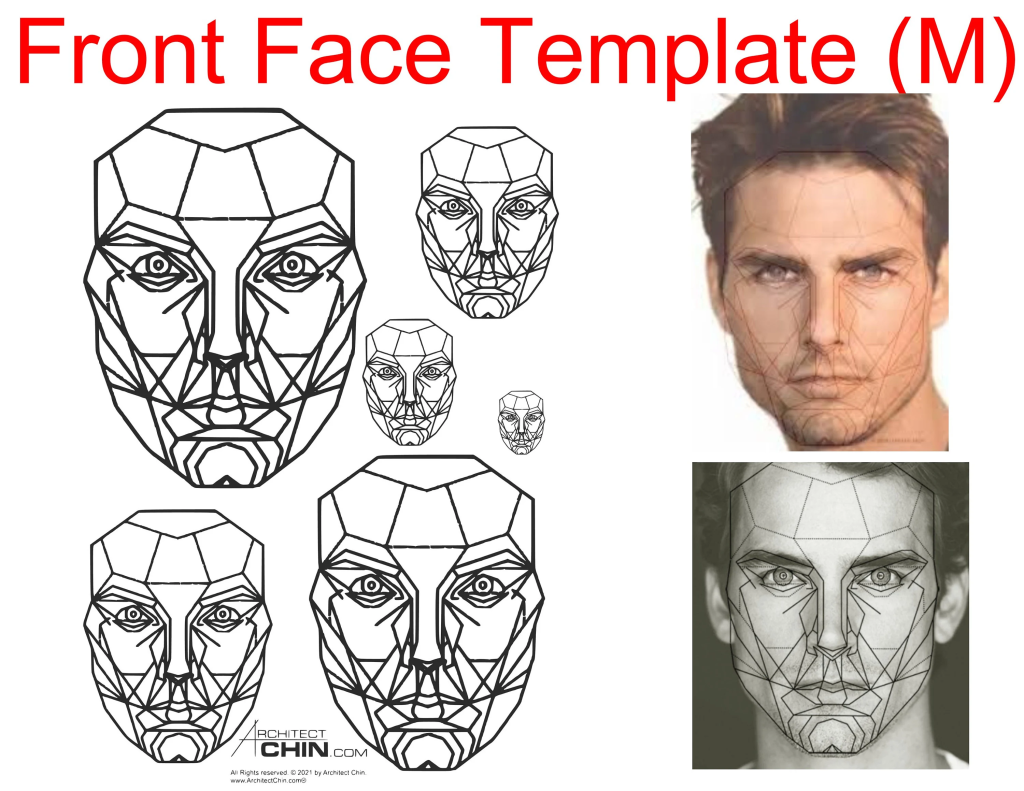
The BP Scale (often linked to the PSL Scale) is a 1–10 rating system based on objective facial markers. Unlike the “normie” 1–10 scale where everyone is a 7, the BP scale is a true bell curve.
- A 5/10 is perfectly average.
- A 7/10 is model-tier (High Tier Male).
- An 8+/10 is a “Chad” or “GigaChad” territory.
The BP Scale Tiers: Where Do You Rank?
Understanding the bp looks scale requires looking past the skin and at the bone.
1. The Sub-5 (The Invisible Tier)
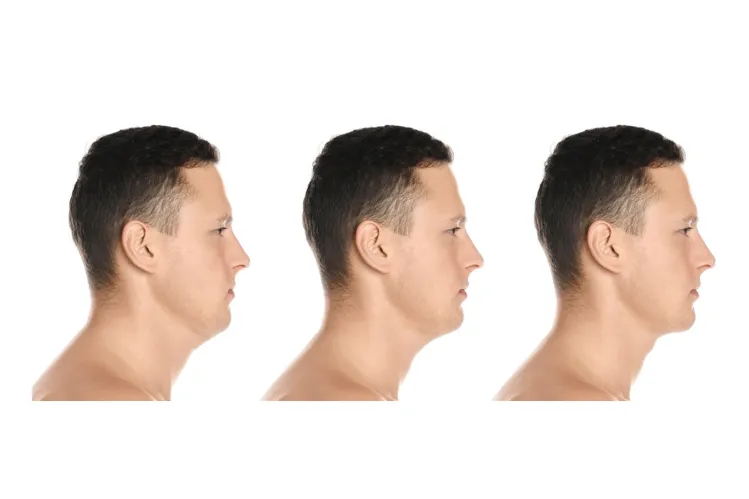
This range (1–4.5) is defined by significant “fail-os.” Common traits include severe jaw recession (lack of forward growth), high orbital height, and a negative canthal tilt.
2. The Normie (4.5 – 5.5)
The vast majority of men. You have no major deformities, but no striking features. You likely have a “bloated” face or average eye-spacing. Softmaxxing (gym, skin, hair) is most effective here to push you into the next bracket.

3. The HTM / Chad-Lite (6 – 7.5)
High Tier Males. You have a strong jawline, decent brow ridge, and good facial symmetry. You possess a “looks halo” in most social settings.
4. The Chad (8+)
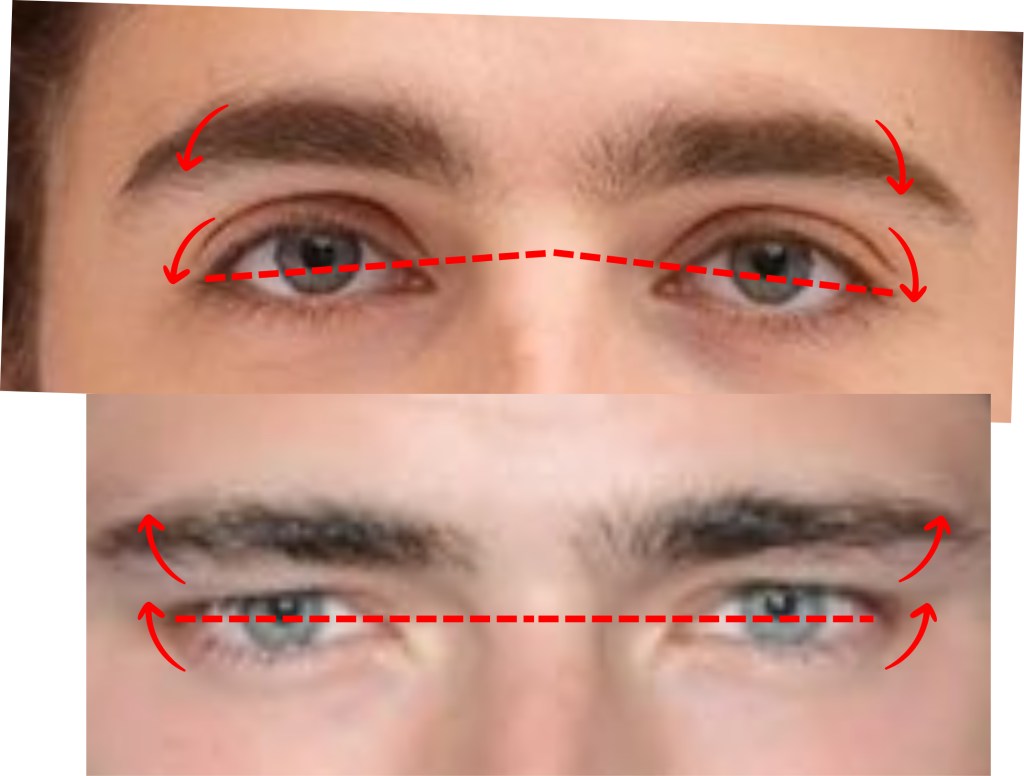
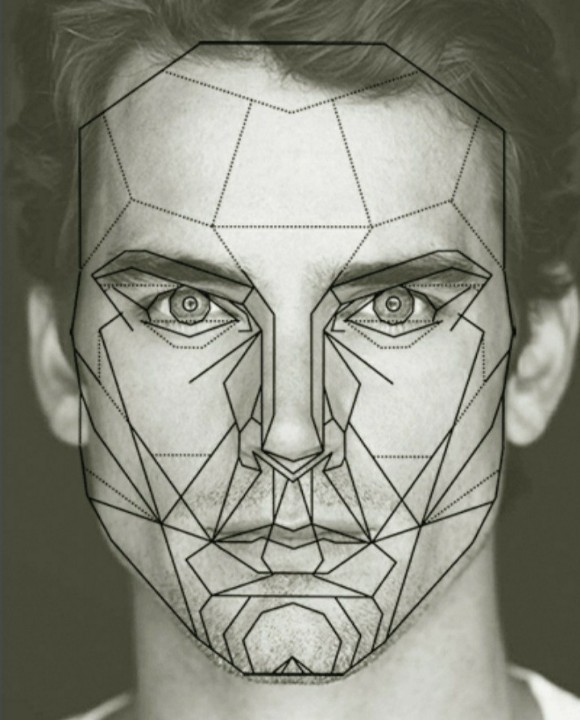
The 1% of 1%. These individuals have elite-tier bone density, perfect 1.618 Golden Ratio proportions, and “Hunter Eyes.”
BP Scale Looksmaxxing: ROI (Return on Investment)
The Blackpill isn’t just about doom-posting; it’s about efficiency. You don’t waste time on things that don’t work.
The “Skeletal Over Soft” Rule
The BP scale reminds us that “soft” changes (haircuts, clothes) have a ceiling. If your score is low due to a recessed chin, no amount of grooming will fix the underlying skeletal issue.
- Hardmaxxing: Jaw surgery (Bimax), infraorbital implants, or genioplasty. These are the only ways to fundamentally move up 2+ points on the BP scale.
- Lean Maxxing: Dropping to 10% body fat is the “low-hanging fruit.” It is the only way to see if you actually have the bone structure to be a 6 or 7.
The Eye Area (The Holy Grail)
On the bp looks scale, the eyes are the most important feature for “dimorphism.”
- Positive Canthal Tilt: Masculine/Aggressive.
- Neutral/Negative: Feminine/Tired.
Conclusion: Why the BP Scale Matters
The BP scale provides a roadmap. By removing emotion and looking at your face as a set of geometric ratios, you can identify exactly what is holding you back. Stop listening to “bluepilled” advice. Learn the ratios, fix your body fat, and maximize your genetic ceiling.
Internal Resources & Further Reading
If you want to actually move up the BP scale (not just understand it), go deeper into each core area:
Heightmaxxing & Frame (Beyond the Face)
https://looksmaxxingwiki.com/heightmaxxing/
Facial aesthetics matter—but frame and height still influence your overall tier.
Hardmaxxing (Surgical ROI Breakdown)
https://looksmaxxingwiki.com/hardmaxxing-guide/
Learn which procedures actually move you up 2+ points on the scale—and which are a waste.
Hunter Eyes vs Prey Eyes (Canthal Tilt Explained)
https://looksmaxxingwiki.com/hunter-eyes-looksmax/
Break down the single most important feature on the BP scale: the eye area.
Lean Maxxing Protocol (Reveal Your Bone Structure)
https://looksmaxxingwiki.com/lean-maxxing-protocol/
If you’re not lean, you don’t even know your real rating yet.
Full PSL Scale Breakdown (Deep Dive)
https://looksmaxxingwiki.com/psl-looksmax/
Understand the full rating system behind the BP scale and how each tier is defined.
Jaw & Bone Structure Guide
https://looksmaxxingwiki.com/male-jaw/
The foundation of your rating—forward growth, width, and projection.